Men's Health

Updated February 2026

Health > Science > Prostate Health

7 Symptoms of Prostate Cancer

(And #1 Simple Daily Habit Every Man Over 45 Should Be Doing To Prevent It Right Now)

22 Feb 2026

By Dr. Elly Elkin. Reading time: 4 minutes

Medical Disclaimer: This article is for educational and informational purposes only. It is not intended to diagnose, treat, cure any disease including prostate cancer. If you are experiencing any of the symptoms described below, please consult a licensed healthcare provider immediately. Early detection through professional medical screening saves lives.

Title

Every 13 minutes, a man in America dies from prostate cancer.


It is the second most common cancer in American men — behind only skin cancer. More than 3 million men in the US are currently living with it. And this year alone, over 35,000 men will lose their lives to it.


The most devastating part?

Most of them had warning signs for years before their diagnosis.


Signs they dismissed as "just getting older." Signs their doctors told them to "watch and wait." Signs that, had they been caught earlier, might have changed everything.


If you are a man over 45, this article could be the most important thing you read this year.


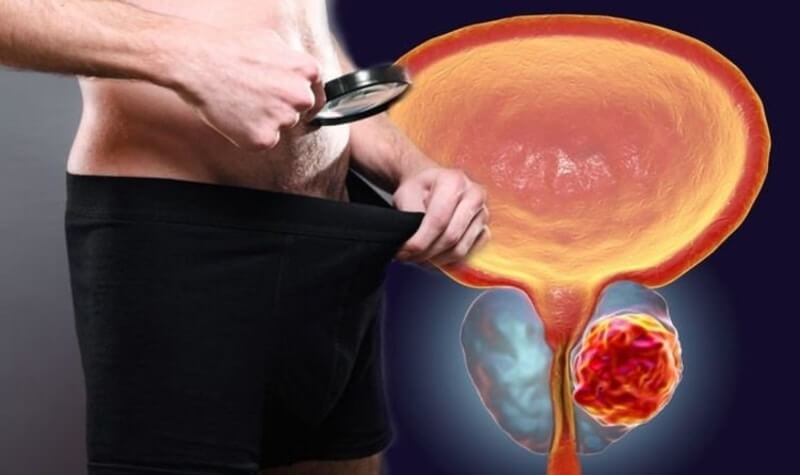
Here are the 7 warning signs your prostate is under stress — and what every man should understand about protecting his prostate health before it becomes a crisis.

Title

#1: You're Waking Up More Than Once a Night to Urinate

The medical term is nocturia — and for most men, it begins so gradually they barely notice it happening.

First it's once a night. Then twice. Then three times.


You stop sleeping deeply. You wake up exhausted. Your energy, focus, and mood all begin to suffer — and you assume it's just aging.


But nocturia is one of the earliest and most consistent warning signs of prostate stress. The prostate surrounds the urethra. When it becomes enlarged, inflamed, or congested, it begins pressing on the bladder — creating that constant sense of urgency even when the bladder is far from full.


What the research says: A study published in the Journal of Urology found that men with severe nocturia had a significantly elevated risk of prostate-related complications compared to men who slept uninterrupted.

If you are waking up more than once per night to urinate — this is not something to ignore.

Title

#2: A Weak, Slow, or Interrupted Urine Stream
Do you remember what your urine stream felt like at 30?


Strong. Immediate. Confident.


For millions of men over 45, that changes. The stream becomes weak. It starts and stops. It takes longer to begin. Sometimes there's dribbling at the end that wasn't there before.


This is called obstructive urinary symptoms — and it is one of the hallmark signs of benign prostatic hyperplasia (BPH) and, in more serious cases, early prostate cancer.


The prostate doesn't need to be dramatically enlarged to disrupt flow. Even mild swelling or inflammation is enough to narrow the urethra and reduce stream strength significantly.


Do not dismiss this as normal aging. A weakening stream after 45 deserves attention.

Title

#3: A Feeling That Your Bladder Never Fully Empties

This one is particularly frustrating — and particularly telling.


You urinate. You feel like you should be done. But there's still a lingering feeling of fullness. Of pressure. Of needing to go again within minutes.


This sensation of incomplete bladder emptying happens when the prostate is obstructing normal urinary flow, preventing the bladder from fully releasing. Over time, residual urine in the bladder can lead to infections, bladder stones, and further complications.


For many men, this symptom begins years before a formal diagnosis of any prostate condition. It is the body's early warning system — and most men are not listening.

Title

#4: Dull, Persistent Pelvic or Lower Back Pressure

Not sharp pain. Not a dramatic symptom. Just a low, constant heaviness.


A dull ache in the lower pelvis. Discomfort around the base of the penis or in the perineum. A persistent pressure in the lower back or hips that comes and goes without a clear cause.


In many men, this is chronic prostatitis — inflammation of the prostate — which affects an estimated 50% of men at some point in their lives. In others, it can be an early sign of something more serious.


The prostate sits in a deeply central position in the male pelvic system. When it is inflamed, swollen, or congested, that pressure radiates outward — into the surrounding tissue, nerves, and muscles.


This symptom is almost never taken seriously early enough. Men are told it's a muscle strain, a posture issue, a stress response. Years later, they find out it was their prostate the whole time.

Title

#5: A Noticeable Decline in Sexual Function

This is the symptom men are least likely to talk about — and most likely to be experiencing.


Softer erections. Reduced sensitivity. Decreased libido. Difficulty reaching climax or a significant reduction in ejaculation volume.


These are not just psychological. They are physiological warning signs with a direct anatomical explanation.


The prostate is the centerpiece of the male sexual system. It produces the fluid that comprises the majority of semen. It sits directly adjacent to the nerve bundles responsible for erectile function. It is innervated by the same pathways that govern sexual arousal and response.


When the prostate is under stress — whether from inflammation, congestion, enlarged tissue, or more serious pathology — sexual function suffers as a direct consequence.


A landmark study in European Urology found that men with lower urinary tract symptoms (LUTS) were significantly more likely to report erectile dysfunction than men without those symptoms — confirming what many urologists already knew: prostate health and sexual health are inseparable.


If your sexual performance has changed in the last 1–3 years, your prostate may be part of the reason.

Title

#6: Blood in Urine or Semen

This one requires zero hesitation.


If you notice blood in your urine (hematuria) or blood in your semen (hematospermia), see a doctor immediately.


While there are non-cancerous causes for both — including infections, kidney stones, or trauma — blood in urine or semen can also be an early sign of prostate cancer, bladder cancer, or other serious conditions that require immediate clinical evaluation.


Do not self-diagnose. Do not wait to see if it resolves on its own. This is a medical emergency signal.

Title

#7: Pain or Burning During Urination or Ejaculation
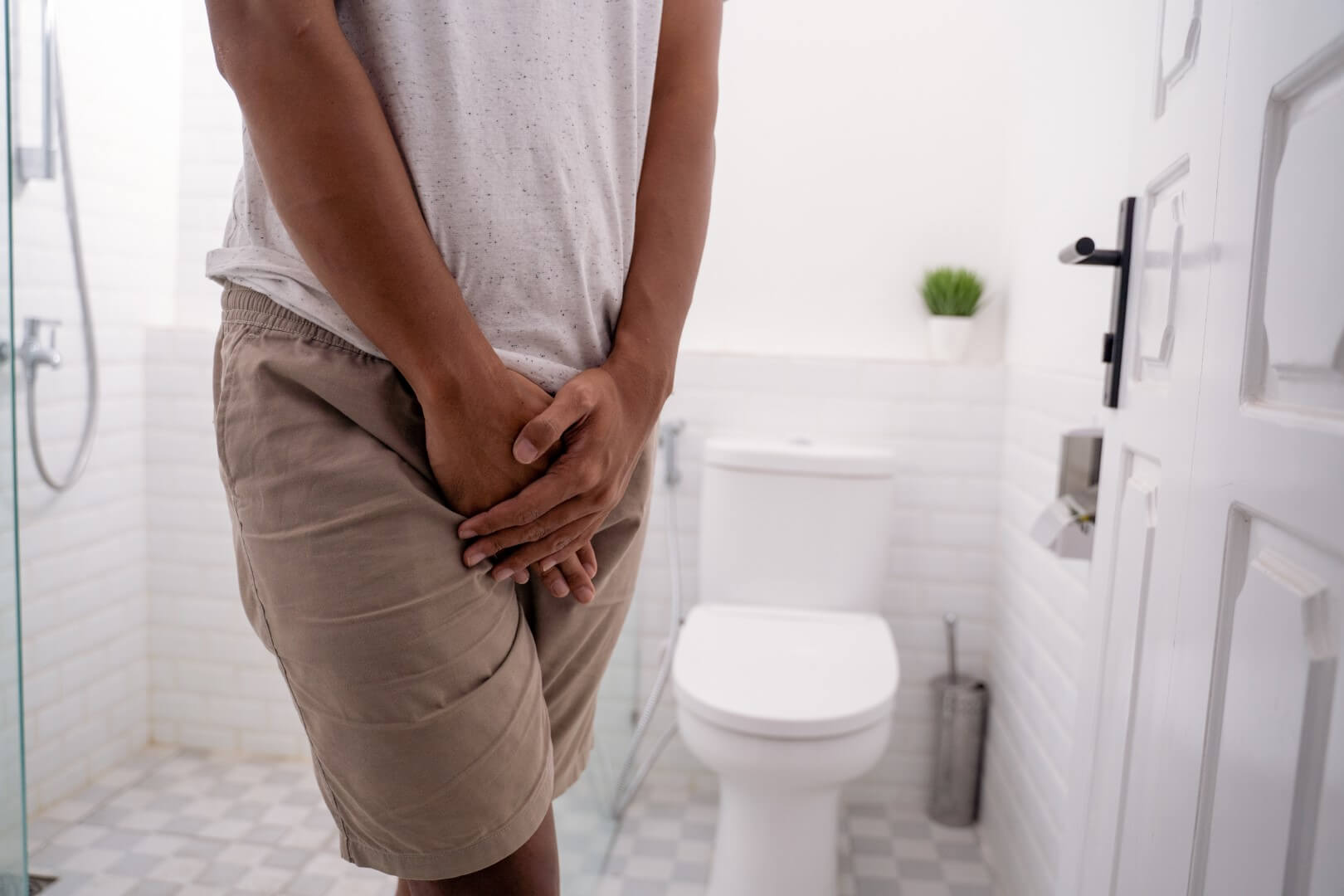
Occasional discomfort is one thing. Persistent burning or pain during urination — or pain during or after ejaculation — is something else entirely.


Dysuria (painful urination) and dysejaculation (painful ejaculation) are both associated with prostate inflammation, infection, and in some cases, malignancy.


Prostatitis, in particular, commonly causes sharp or burning pain during urination and a deep aching discomfort during or after ejaculation. For men with chronic prostatitis, these symptoms can persist for months or years — significantly impacting quality of life and, if left untreated, leading to broader pelvic floor dysfunction.


Pain during these functions is never normal. It is always a signal worth investigating.

Title

If You Recognized Any of These Signs — Here's What to Do First

Step 1: See your doctor and request a PSA test.


The Prostate-Specific Antigen (PSA) blood test is the primary screening tool for prostate cancer and prostate health. The American Cancer Society recommends that men at average risk discuss PSA screening with their doctor beginning at age 50 — and at age 40–45 for men at higher risk (African American men, or men with a first-degree relative diagnosed with prostate cancer before 65).

Do not skip this step. Early detection through professional screening is the single most important factor in prostate cancer survival outcomes.


Step 2: Understand what's happening inside your prostate.


Most prostate symptoms — weak flow, nocturia, pelvic pressure, sexual decline — share a common underlying cause: poor circulation, chronic inflammation, and stagnant prostatic fluid that accumulates when the prostate is not regularly activated.


This is the same reason pelvic floor physical therapy has become one of the most recommended interventions for men with BPH, prostatitis, and early prostate dysfunction.


Regular, targeted prostate stimulation promotes healthy fluid drainage, reduces inflammatory buildup, and maintains the circulation that keeps prostate tissue healthy.


This is not a fringe idea. It is supported by a growing body of urological research — and it is why clinical pelvic therapy is a standard recommendation for men with chronic prostate conditions.


Step 3: Take a proactive role in your prostate health — starting now.


The gap between "symptoms appearing" and "seeking medical help" is, on average, 3.5 years in American men.


That is 3.5 years of preventable decline. 3.5 years of worsening symptoms. 3.5 years of a prostate getting less of what it needs.

Title

What Can You Do Right Now To Decrease The Chance Of Getting Prostate Cancer by 22%? (Try This Urologist-Backed Habit)

A landmark study from Harvard Medical School — published in the journal European Urology and followed up for nearly two decades — identified a simple, natural, zero-cost habit that is significantly associated with lower prostate cancer risk.

Harvard researchers tracked 31,925 men for 18 years and found one of the most overlooked, most actionable prostate cancer risk factors ever identified — and it has nothing to do with diet, genetics, or medication.

A landmark study from Harvard Medical School — published in the journal European Urology and followed up for nearly two decades — identified a simple, natural, zero-cost habit that is significantly associated with lower prostate cancer risk.

The finding was striking:

You can watch this short video to double check

Alt image

Why Does This Work? The Science Behind It

This isn't just a statistical correlation. Researchers have now identified multiple biological mechanisms that explain why ejaculation frequency is linked to prostate cancer risk reduction.

 🔬 Mechanism 1: The Prostate Stagnation Hypothesis


Your prostate is an exocrine gland — it continuously produces and secretes fluid. When that fluid sits stagnant for extended periods, researchers believe it can accumulate potentially carcinogenic compounds. Regular ejaculation flushes this fluid out, preventing the buildup that may create conditions favorable to tumor development.

 🔬 Mechanism 2: Reduced Cell Division Rate


The 2025 Cancers review found that frequent ejaculation is associated with suppression of the sympathetic nervous system — which in turn slows the division rate of prostate epithelial cells. Slower cell division means fewer opportunities for cancerous mutations to occur and accumulate.

 🔬 Mechanism 3: Gene Expression Changes


Researchers now believe ejaculation frequency directly influences gene expression in prostate tissue — changing how susceptible the tissue is to tumor formation at a molecular level. This is one of the most significant findings in prostate cancer prevention research in the past decade.

 🔬 Mechanism 4: Endocannabinoid Release


Orgasm triggers the release of endogenous 2-arachidonoylglycerol (2-AG) — a natural compound that multiple studies show can inhibit the invasion of prostate cancer cell lines. The more frequently this system is activated, the more consistently this protective mechanism operates.

This isn't just a statistical correlation. Researchers have now identified multiple biological mechanisms that explain why ejaculation frequency is linked to prostate cancer risk reduction.

The Number Most Men Are Missing

Here's where it gets important — and inconvenient.

The Harvard study found the most significant risk reduction at 21 or more ejaculations per month. That's roughly once per day, or slightly less.

The Real Barriers Men Face After 40


Declining sensitivity: Testosterone drops roughly 1% per year after 30. Sensation decreases. Arousal takes longer. Solo activity becomes less satisfying and less frequent.


Pelvic floor weakness: Weak pelvic floor muscles reduce orgasm intensity, ejaculation force, and overall sexual satisfaction — making the experience less compelling and less likely to be repeated.


Poor prostate circulation: Restricted blood flow to the prostate reduces sensitivity and function. The organ that's supposed to make ejaculation feel good is itself compromised.


Time and consistency: Reaching 21+ per month requires a real, sustainable habit — not occasional effort.

This is the gap. Most men over 40 are ejaculating far less than the frequency associated with protective benefit — and they have no effective, practical tool to help them close it.

Until now.

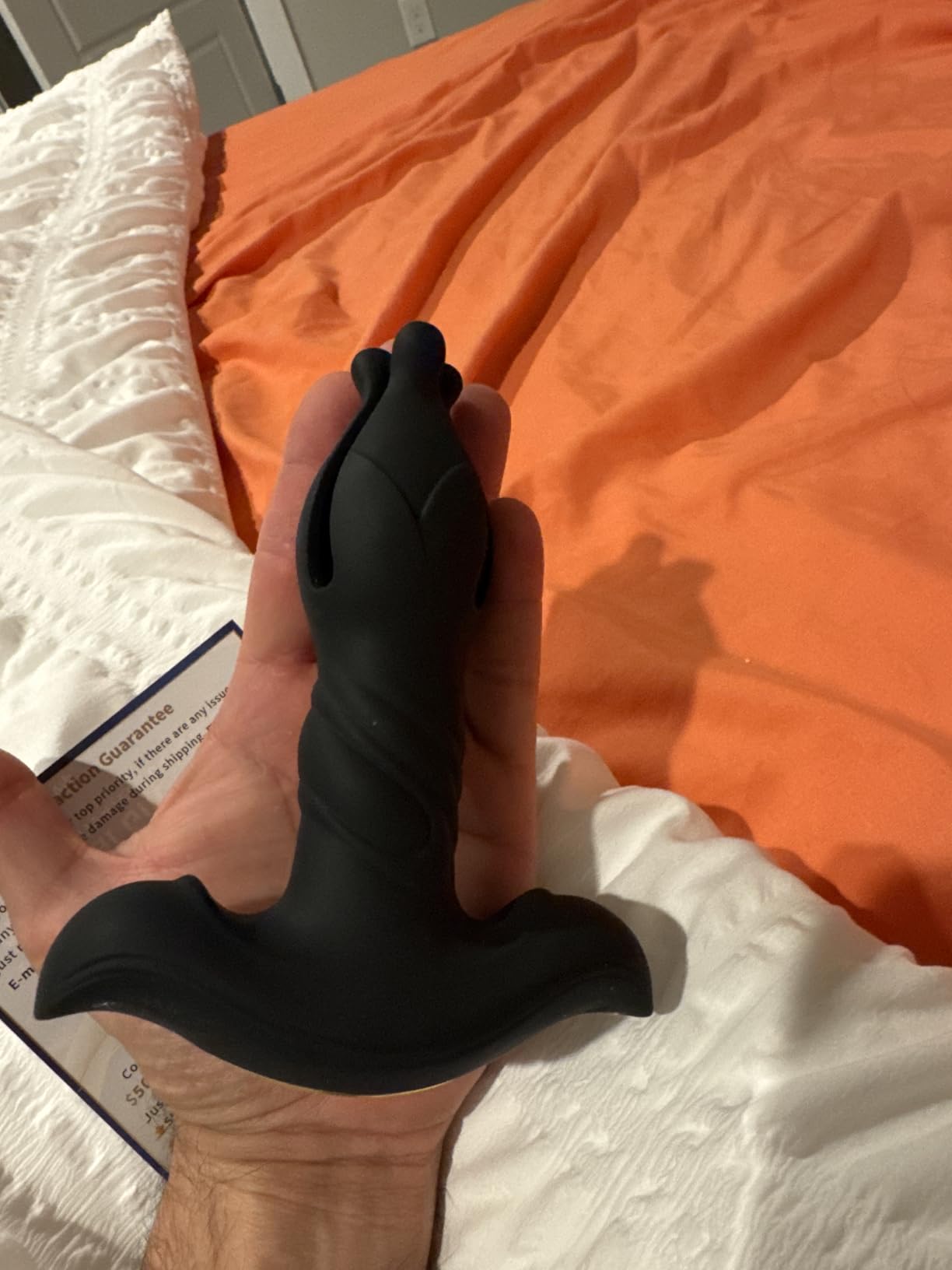
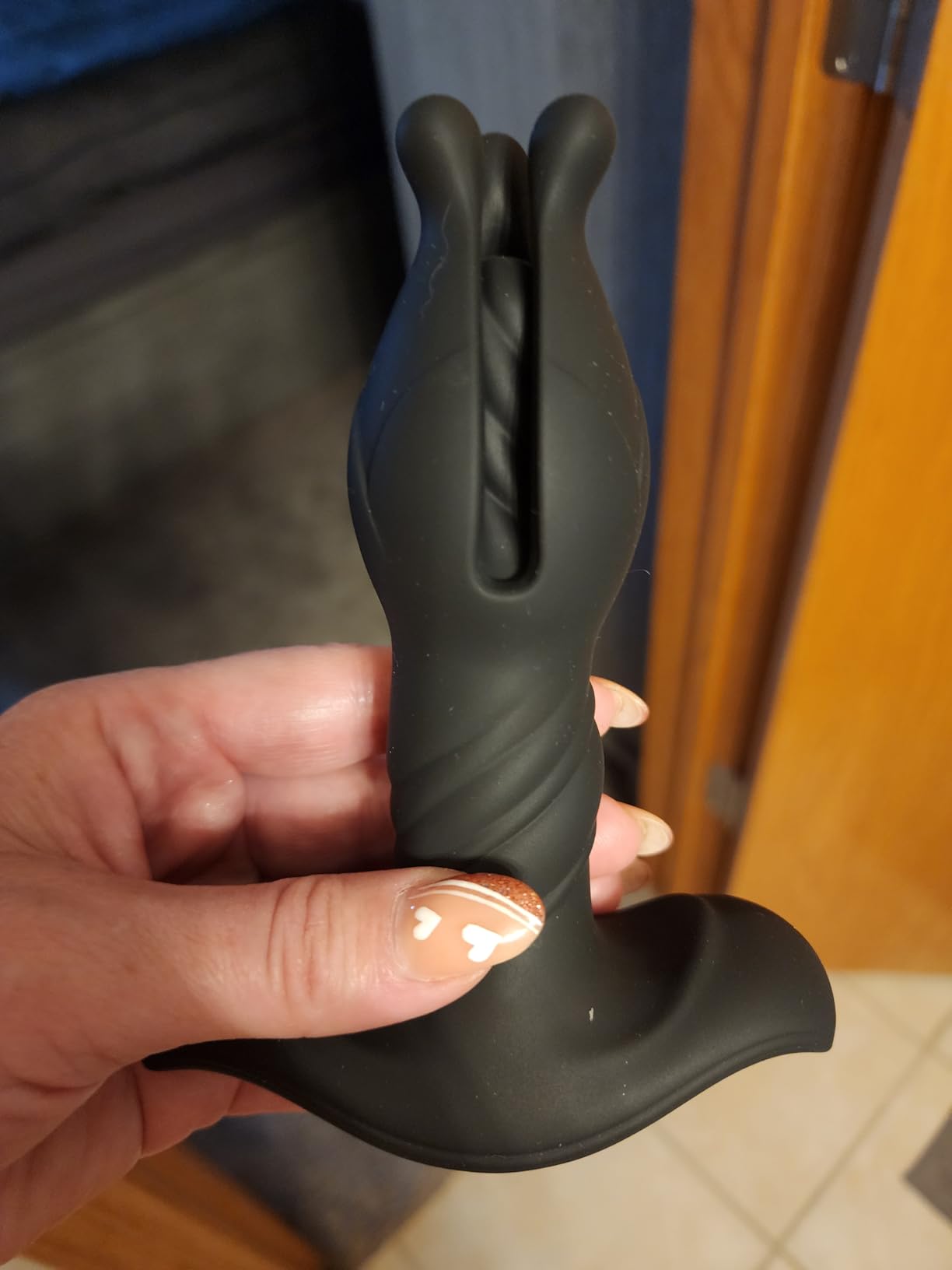
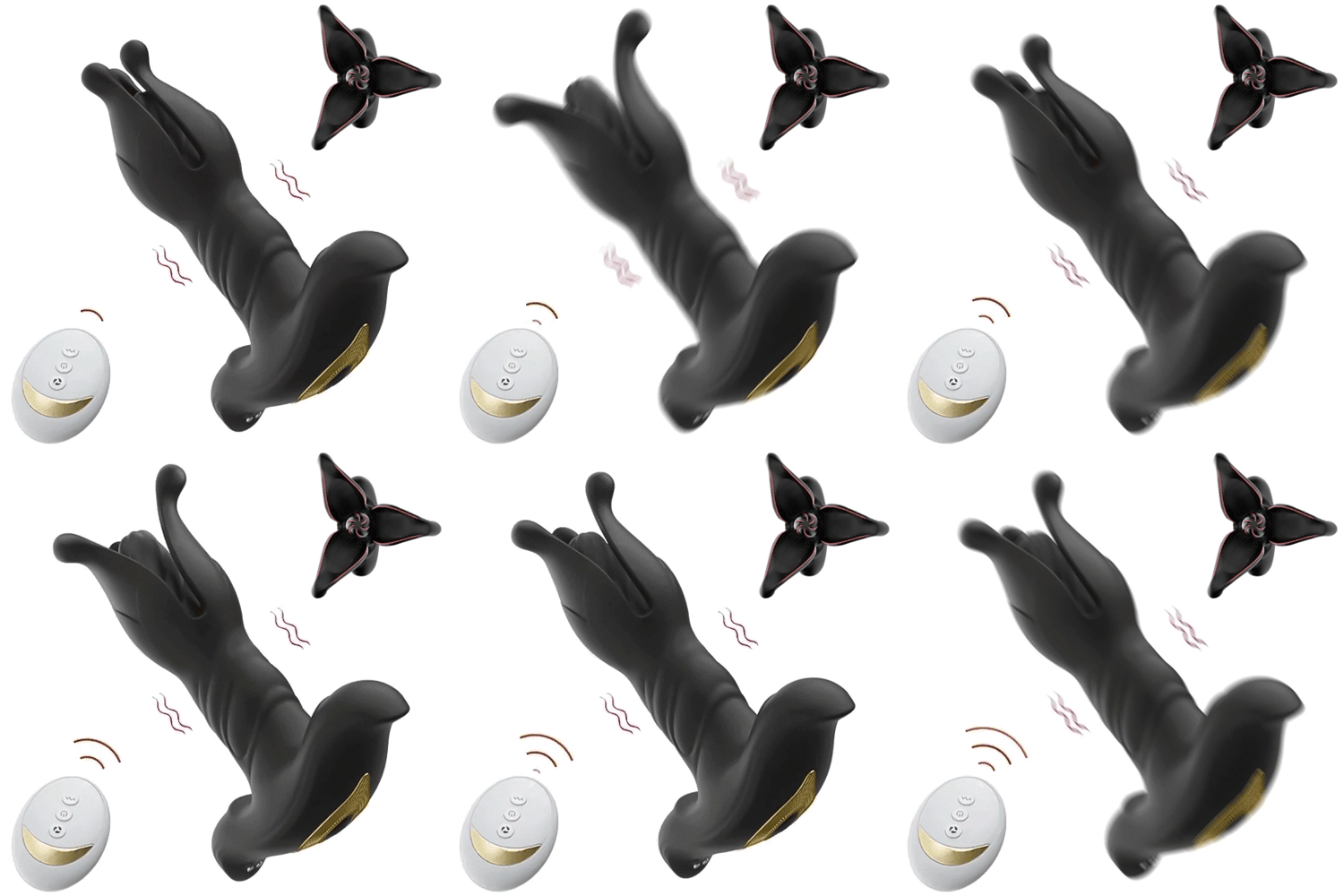
Introducing Plug Revive: Engineered for Prostate Health and Protection

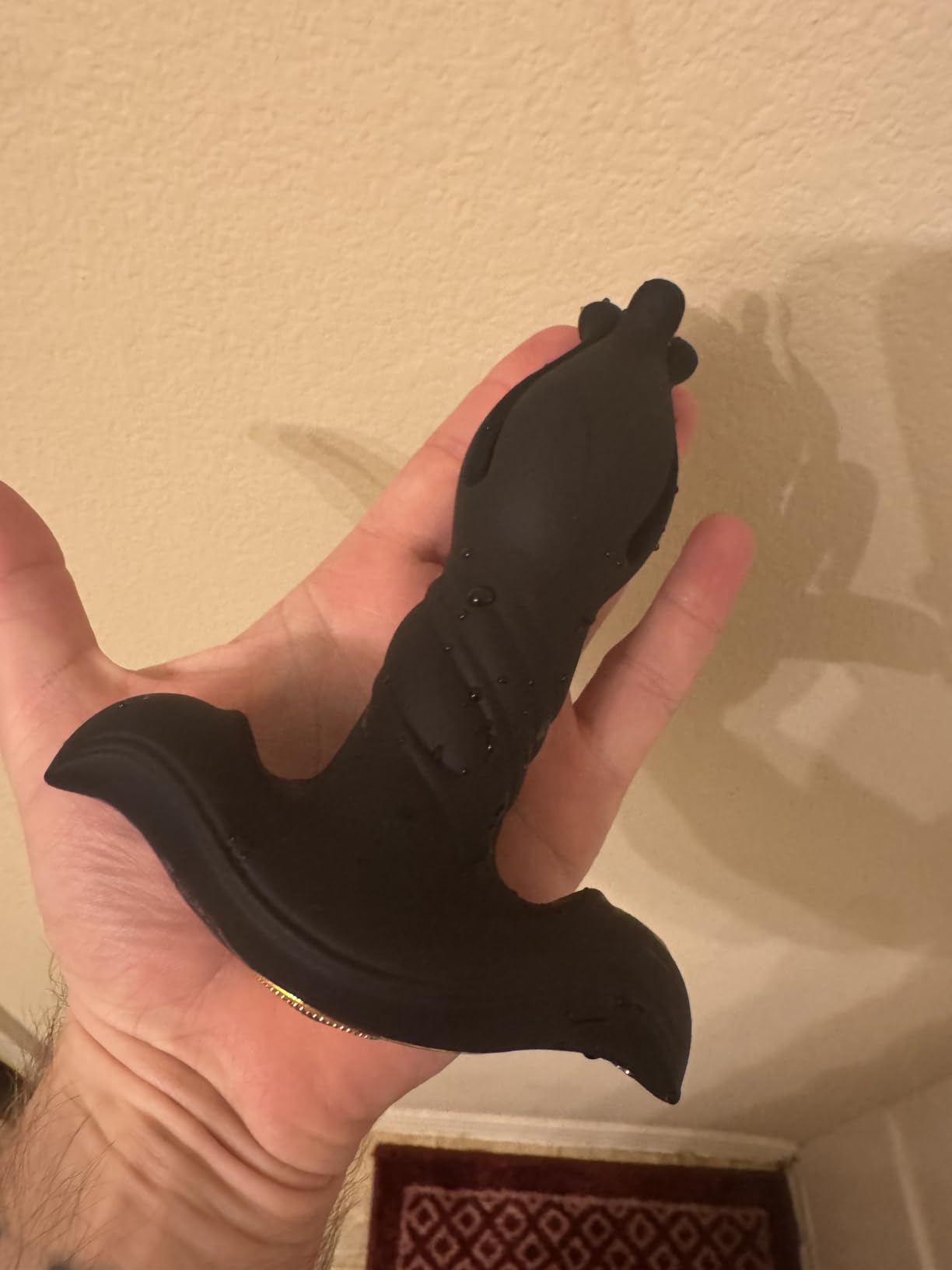
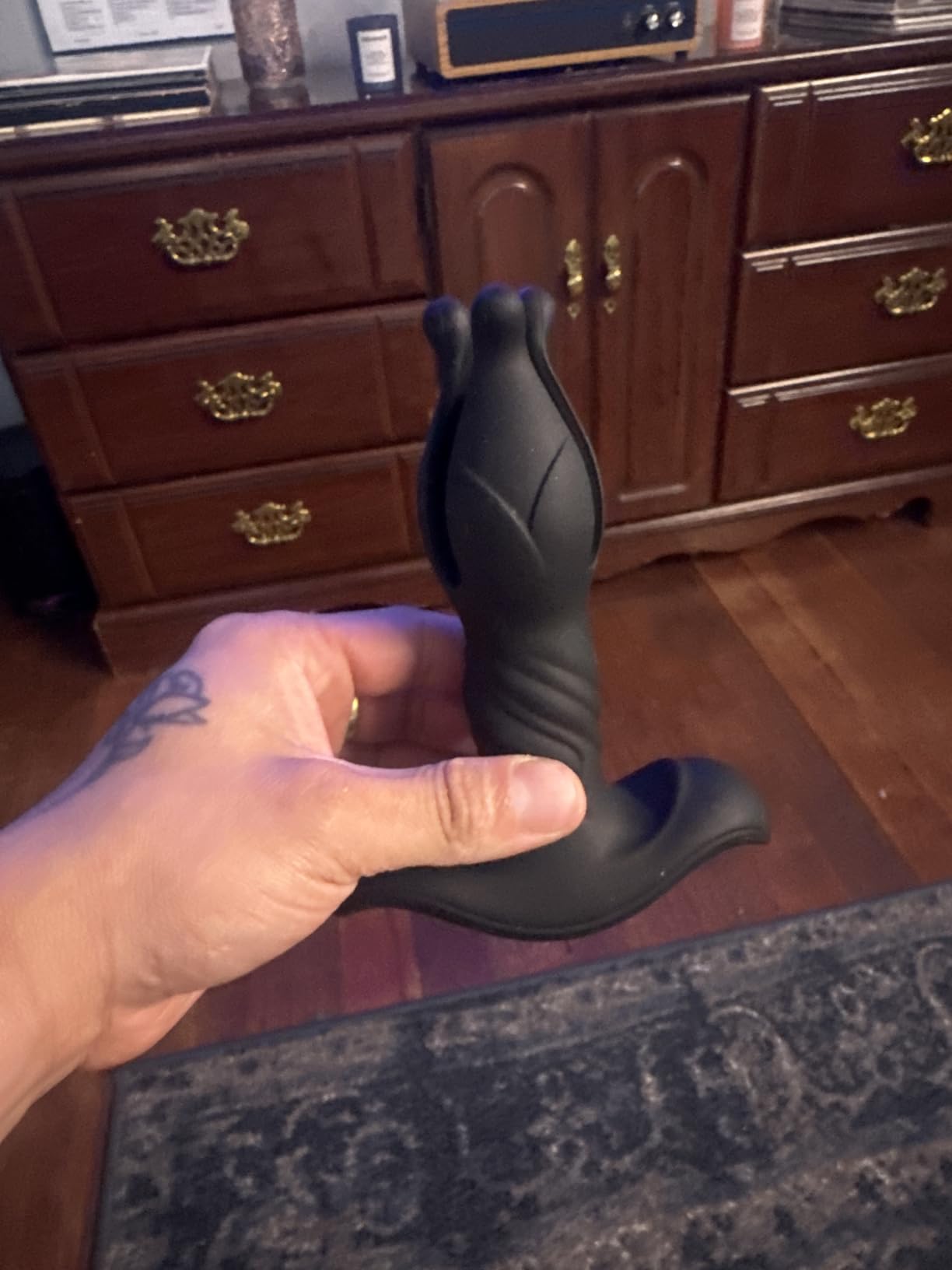
Plug Revive isn't just a pleasure device. It's a clinically-informed prostate health tool designed around the exact biological mechanisms identified in the Harvard research.


Here's how it addresses every barrier between you and the 21-per-month protective threshold:

🎯 Direct Prostate Stimulation — Flushes the Gland Thoroughly


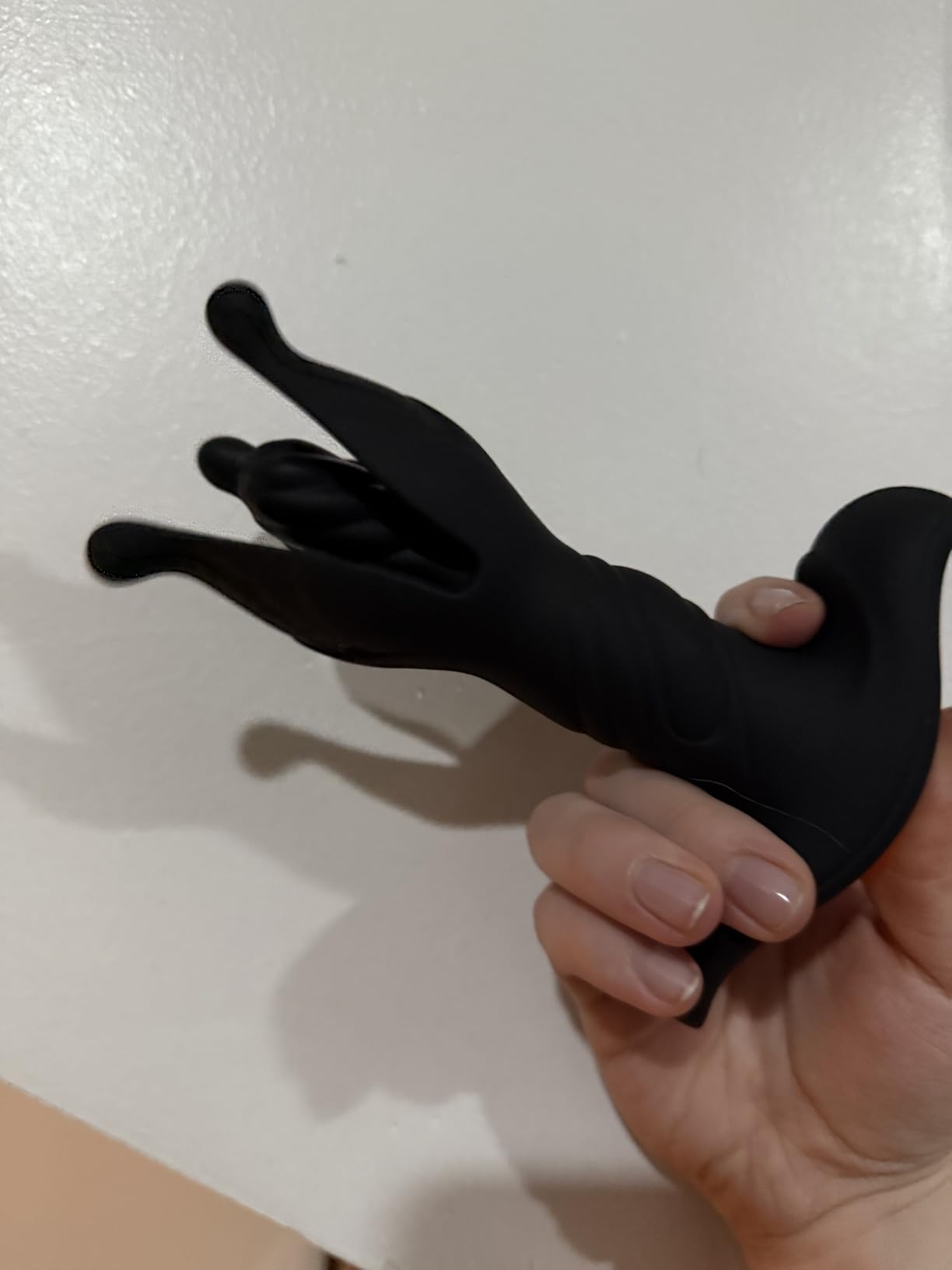
Plug Revive's precision-engineered thrusting mechanism reaches the prostate directly, delivering deep rhythmic pulsations that physically stimulate ejaculatory function and flush prostatic secretions far more completely than standard activity alone. This directly addresses the "prostate stagnation" mechanism identified by Harvard researchers as the primary driver of risk reduction.

⚡ Restored Sensitivity — Makes the Habit Effortless to Maintain


The vibrating ring simultaneously increases local blood flow, restores sensitivity, and engages nerve-rich tissue that becomes less responsive with age. Men report sensations they haven't experienced in years — making it far easier to maintain the frequency the research recommends.

💪 Pelvic Floor Engagement — Stronger, More Complete Ejaculations


Each session with Plug Revive engages and progressively strengthens the pelvic floor muscles responsible for ejaculation force, orgasm intensity, and overall sexual function. Stronger pelvic floor = more satisfying experiences = more consistent habit = more of the protective benefit the Harvard study identified.

Targets all 4 zones of the male pelvic system simultaneously


P-Spot (prostate), anal canal, perineum, and glans — the complete pelvic activation circuit that clinical therapy addresses, now available at home.

No hormones. No prescriptions. No chemical side effects. Works mechanically, not chemically — so there are no hormonal tradeoffs or dependencies.

Claim Discount & Check Availability Now

What Men Are Saying:

Robert M., Age 62, Florida

Verified Review | Rating: ⭐️⭐️⭐️⭐️⭐️

"I'm 62. I've been anxious about it for years. When my doctor mentioned the Harvard ejaculation study I did a deep dive and found Plug Revive. I've been using it for three months."

I'm hitting the 21-per-month number consistently for the first time in probably a decade. My doctor is pleased with my PSA trends. But honestly, the bigger surprise is how much better I feel overall — more energy, better sleep, and a confidence I forgot I had.

James W., Age 63, Tennessee

Verified Review | Rating: ⭐️⭐️⭐️⭐️⭐️

"I'm a retired biology teacher. When I read the Harvard study I immediately understood the prostate stagnation hypothesis — it makes complete biological sense. The problem was I was nowhere near 21 per month. Natural drive just isn't what it was at 63.

Plug Revive completely changed that. I'm consistent now in a way I haven't been in 15 years. My urologist actually high-fived me at my last checkup when I told him. He'd read the same study and said he wishes more of his patients were doing something about it."

David L., Age 71, Florida

Verified Review | Rating: ⭐️⭐️⭐️⭐️⭐️

"I'm 51 and my PSA has been creeping up slightly for two years. Nothing alarming yet but my urologist said to keep an eye on it. I started researching everything I could do proactively and found the ejaculation frequency research.

I've been using Plug Revive for 2 months and my most recent PSA actually came down slightly. My doctor said lifestyle factors can influence PSA and to keep doing what I'm doing. I feel like I'm actually doing something proactive instead of just waiting for bad news."

Michael S., Age 41, California

Verified Review | Rating: ⭐️⭐️⭐️⭐️⭐️

"Two brothers with prostate cancer. I knew I was high risk. I've done everything right — diet, exercise, regular PSA testing. But I was barely hitting 4–5 ejaculations a month. When I found the Harvard study I realized I'd been ignoring one of the most significant modifiable factors.

3 months with Plug Revive and I'm averaging 22–24 per month. My urologist knows I'm using it and is supportive. I feel like I've finally closed the one gap in my prevention strategy I didn't even know existed."

Thomas B., Age 81, Texas

Verified Review | Rating: ⭐️⭐️⭐️⭐️⭐️

"I'm 81. I've had prostate problems since I was 55. Gave up all hope a long time ago. My stream is better — not like when I was 20, but I'm not standing there for five minutes anymore. The pressure and the pain I used to get? Completely gone. Went to my grandson's baseball game last Saturday. Made it almost the whole way through before I had to go. 

That's a win at my age. Look, I'm not saying this is some miracle. But it's working better than anything else I've tried in 25 years. That's good enough for me."

Check Availability

Claim Discount & Check Availability Now

Important — What This Research Does and Doesn't Say

What the research shows: A significant inverse association between higher ejaculation frequency and prostate cancer risk, observed in a large, long-term, peer-reviewed prospective study from Harvard Medical School.


What the research does not claim: That ejaculation frequency is a guaranteed prevention or treatment for prostate cancer. This is an observed association, not a proven causal mechanism. No study has declared this a "cure" or replacement for medical screening.


Our recommendation: Use Plug Revive as part of a proactive men's health routine — alongside regular PSA testing, annual checkups, healthy diet, and exercise. Not instead of them.


If you have prostate cancer symptoms or concerns: See a urologist. This device is a proactive wellness tool, not a diagnostic or treatment device.

Title

About Dr. Michael Thompson & His Mission

Dr. Thompson is a board-certified urologist based in Austin, Texas with 27 years of clinical experience. After developing his own prostate health issues in his mid-50s, he spent 18 months researching European and American clinical literature on non-pharmaceutical approaches to prostate wellness.


"The ejaculation frequency research is some of the most clinically significant preventive data I've encountered in 27 years of urology. Men deserve to know about it — and they deserve a practical tool to act on it. That's why I helped develop Plug Revive."

Board-Certified Urologist — 27 years clinical experience

Reviewed Harvard Health Professionals Follow-Up Study data

Consulted on Plug Revive's therapeutic design specifications

Uses Plug Revive himself as part of his own prostate health routine

Every unit is designed and quality-tested to therapeutic specifications — body-safe medical-grade silicone, FDA-registered manufacturing standards, and third-party safety testing on every production batch. But we're not asking you to take our word for it.

It Works — Or You Pay Nothing.

60-Day Risk-Free Guarantee

Try Plug Revive for 60 days. If you're not sleeping through the night, urinating stronger, and feeling like yourself again — send it back. Full refund, no questions, no hassle. We'll even cover return shipping.


"We built this for men who are serious about their health," Dr. Thompson says. "The research is real. The mechanism is real. The results speak for themselves."

Claim Discount & Check Availability Now

Special Offer — New Year Sale

These units are in extremely high demand and run out of stock quickly — even at full price.

Shop Now

Take control of your prostate health today.